
What Is a Migraine?
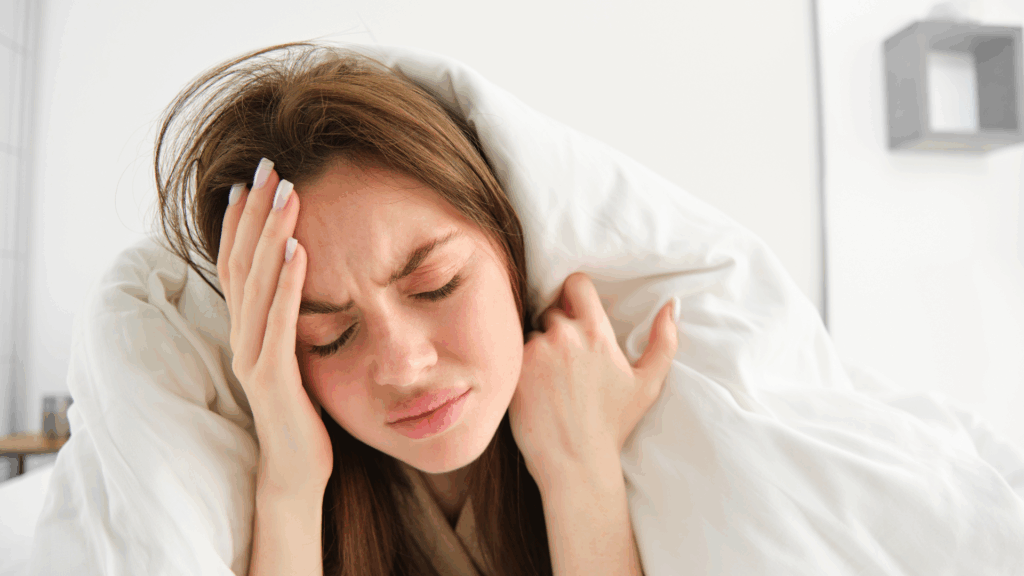
A migraine is a neurological event that involves changes in nerve pathways, blood flow, and brain chemicals. It typically causes severe, throbbing head pain, often accompanied by nausea, light sensitivity, and fatigue. Some people experience “aura” symptoms such as visual disturbances or tingling sensations before an attack.
Migraines can last anywhere from a few hours to several days and may be triggered by a range of internal and external factors — from hormonal shifts to dietary sensitivities. Because no two people experience migraines in the same way, understanding your own triggers is the first step toward effective management.
The Role of Hormones in Migraine
Hormonal changes are one of the most common migraine triggers, especially for women. Fluctuations in oestrogen and progesterone levels can influence blood vessels and brain chemistry, which explains why many women experience migraines:
- Just before menstruation (when oestrogen drops sharply),
- Around ovulation,
- During perimenopause, or
- After starting or stopping hormonal contraception.
This connection highlights why a holistic, hormone-supportive therapy like reflexology can be particularly beneficial for those affected by hormonal migraines.
Common Migraine Triggers
While hormones play a major role, they rarely act alone. Other common triggers include:
- Stress and Tension
- Chronic stress raises cortisol and adrenaline, tightening blood vessels and over-activating the nervous system.
- Migraine often appears as the body’s “release” once stress levels drop — sometimes referred to as the “weekend migraine.”
- Sleep Disruption
- Both lack of sleep and oversleeping can upset brain chemistry and circulation.
- Dietary Factors
- Common culprits include caffeine, alcohol (especially red wine), aged cheese, processed meats, and artificial sweeteners.
- Irregular meals or dehydration can also trigger attacks.
- Sensory Overload
- Bright lights, strong smells, and loud noises can over-stimulate the brain, particularly during high-stress periods.
- Environmental Changes
- Barometric pressure shifts, heat, or humidity often trigger attacks in sensitive individuals.
Keeping a migraine diary helps identify personal triggers, patterns, and hormonal connections — a useful foundation for a tailored reflexology plan.
How Reflexology Can Support Migraine Management
Reflexology works by stimulating reflex points on the feet that correspond to organs and systems in the body. In migraine care, the goal is to calm the nervous system, improve circulation, and support hormonal balance.
Key reflex areas often included in migraine-related treatments are:
- Head and brain reflexes: to release tension and encourage neural calm.
- Neck and shoulder reflexes: to ease muscular tension that can contribute to headaches.
- Solar plexus and diaphragm reflexes: to promote relaxation and deep breathing.
- Adrenal reflexes: to reduce the stress response that can trigger migraines.
- Endocrine reflexes (pituitary, thyroid, ovaries): to regulate hormonal fluctuations that may contribute to menstrual migraines.
Evidence and Reflexology Practice
Although migraine mechanisms are complex, research into reflexology’s effects on the nervous and endocrine systems provides a foundation for its use in migraine support.
- A 2019 review in Complementary Therapies in Clinical Practice found that reflexology consistently reduced pain perception and improved relaxation responses.
- A Danish study reported that 81% of migraine sufferers receiving reflexology experienced improvement, and 19% were able to stop taking medication altogether after a course of treatments.
- Reflexology’s stress-reducing effects — particularly lowering cortisol and supporting parasympathetic activation — make it a valuable tool for chronic migraine management.
While more large-scale studies are needed, these findings support what many practitioners observe in clinical settings: reflexology helps reduce both the frequency and severity of migraine attacks.
My Approach to Migraine Reflexology
When working with clients who experience migraines, I design a personalised treatment plan tailored to their triggers and symptom patterns. For example, someone with hormonal migraines will have a plan that focuses on endocrine and reproductive reflexes, while someone whose migraines are stress-related might benefit from deeper work on the solar plexus and diaphragm areas.
Each treatment aims to support the body’s natural ability to rebalance, relieve tension, and prevent the cascade of physiological changes that lead to a migraine attack.
Sessions are calming, gentle, and restorative — helping clients not only manage migraines but also address underlying imbalances in stress, hormones, and energy flow.
Lifestyle Support for Migraine Prevention
Reflexology works best as part of a holistic migraine management plan. Alongside treatments, I often recommend simple lifestyle practices to enhance results:
- Stay Hydrated: Dehydration is a common migraine trigger. Aim for steady water intake throughout the day.
- Eat Regularly: Balanced meals help stabilise blood sugar and prevent the dips that can initiate headaches.
- Manage Stress: Incorporate mindfulness or gentle movement like yoga to complement reflexology’s calming effects.
- Prioritise Sleep: A consistent sleep schedule helps regulate hormones and brain chemistry.
- Monitor Hormonal Patterns: Understanding where migraines occur in your cycle can guide when to schedule reflexology for preventive support.
Final Thoughts
Migraines are deeply individual, but understanding your triggers is empowering. Reflexology offers a safe, natural way to reduce tension, balance hormones, and calm the nervous system — supporting long-term relief without side effects.
Through tailored treatments and mindful self-care, it’s possible to lessen migraine frequency, shorten attacks, and restore confidence in your body’s ability to find balance again.