The Gut – Hormone Connection: How Digestion Shapes Your Balance

The gut and the endocrine system are in constant conversation — a relationship so powerful that scientists now call the gut the “second brain.” When your digestive system is out of balance, it can disrupt hormones that regulate mood, energy, and reproductive health. This article explores the gut–hormone connection and explains how reflexology supports healthy digestion, hormonal harmony, and overall wellbeing.
Cortisol, Oestrogen, Progesterone: Understanding the Hormone Triad

Cortisol, oestrogen, and progesterone are three of the body’s most influential hormones. They regulate energy, mood, fertility, and stress responses — yet when one falls out of balance, the others are affected too. This article explains how these hormones interact, what happens when stress disrupts them, and how reflexology can help restore harmony within the endocrine system.
PMS, Perimenopause & Beyond: Natural Tools for Every Hormonal Stage

Women’s hormones are in constant motion — cycling through monthly rhythms, life transitions, and eventual menopause. These fluctuations can bring both physical and emotional changes. Reflexology offers a supportive, non-invasive way to balance hormones and ease the discomforts associated with PMS, perimenopause, and menopause. In this article, I share how reflexology can help at every hormonal stage, alongside gentle lifestyle practices to nurture long-term balance.
Breaking the Stress–Sleep Cycle

When stress builds up, sleep is often the first thing to suffer — and lack of sleep, in turn, makes stress even harder to manage. This vicious cycle can leave you exhausted and anxious. Reflexology offers a gentle way to break that cycle by calming the nervous system, balancing hormones, and helping your body remember how to rest. In this article, I explore how stress affects sleep and share how reflexology and simple evening rituals can support deeper, more restorative rest.
The Science of Touch: Why Holistic Therapies Work Beyond Relaxation
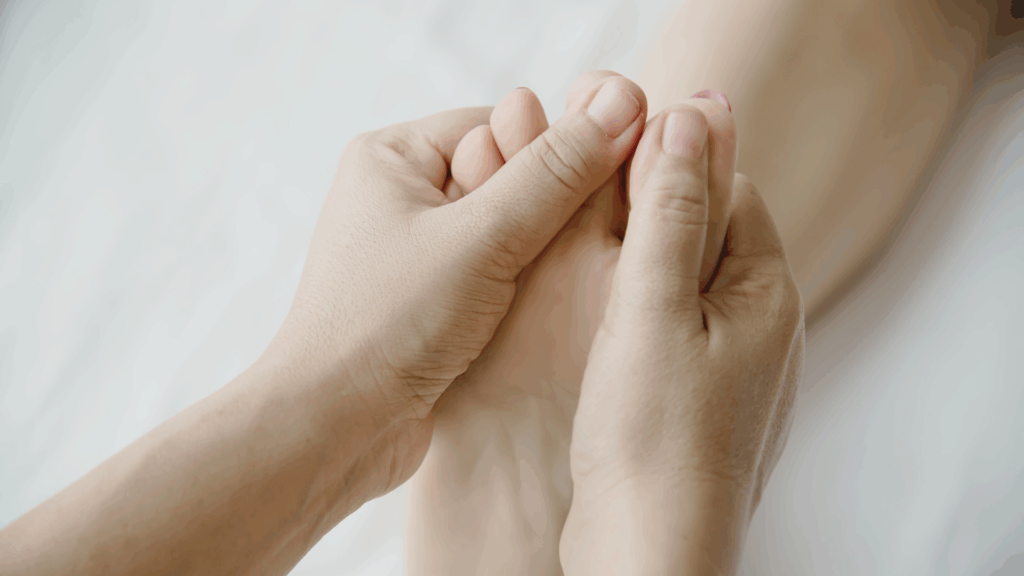
Touch is one of the body’s most powerful healing tools. While many people associate reflexology and holistic therapies with relaxation, modern science now shows that touch profoundly affects the brain, hormones, and nervous system. This article explores how therapeutic touch works on a physiological level — calming stress responses, boosting immunity, and supporting emotional wellbeing — and why reflexology offers far more than just relaxation.
The Power of Ritual: Turning Small Actions into Daily Mindfulness

Mindfulness doesn’t have to mean long meditation sessions or major lifestyle changes. It can be woven gently into everyday life through small, intentional rituals that bring you back to the present moment. In this article, I explore how daily rituals support emotional balance and how reflexology can become part of a mindful routine — helping you feel calmer, more grounded, and more connected to yourself.
Thyroid Balance: The Unsung Hero of Hormonal Health

The thyroid gland plays a central role in regulating metabolism, energy, mood, and hormonal harmony. Yet many people experience symptoms of thyroid imbalance — from fatigue and weight changes to anxiety or low mood — without realising how interconnected this tiny gland is with the rest of the endocrine system. In this article, I explore how the thyroid works, what can cause imbalance, and how reflexology supports the body in maintaining healthy thyroid function.
The Pain Pathway: How Reflexology Interrupts the Cycle

Chronic pain affects millions of people and can have a profound impact on both body and mind. Reflexology offers a gentle, holistic approach that helps interrupt the pain cycle by calming the nervous system, improving circulation, and supporting the body’s natural healing mechanisms. In this article, I explain how pain is processed in the body, why it can persist, and how reflexology helps to reduce discomfort and restore balance over time.
How Reflexology Supports Emotional Resilience

Emotional resilience isn’t about avoiding stress — it’s about responding to life’s challenges with calm and confidence. Reflexology can play a powerful role in supporting emotional balance by calming the nervous system, reducing stress hormones, and promoting a deep sense of grounding. In this article, I explain how reflexology supports emotional health, the science behind its effects, and how it helps clients reconnect with themselves when life feels overwhelming.
Postnatal Recovery: Restoring Balance After Birth

The postnatal period — often called the fourth trimester — is a time of immense adjustment. Your body is healing, hormones are recalibrating, and you’re adapting to the demands of caring for a newborn. Reflexology offers gentle, restorative support during this phase, helping to rebalance the body, ease tension, and promote emotional wellbeing. This article explores how reflexology can nurture new mothers physically and emotionally, supporting recovery, energy, and calm in the weeks and months after birth.