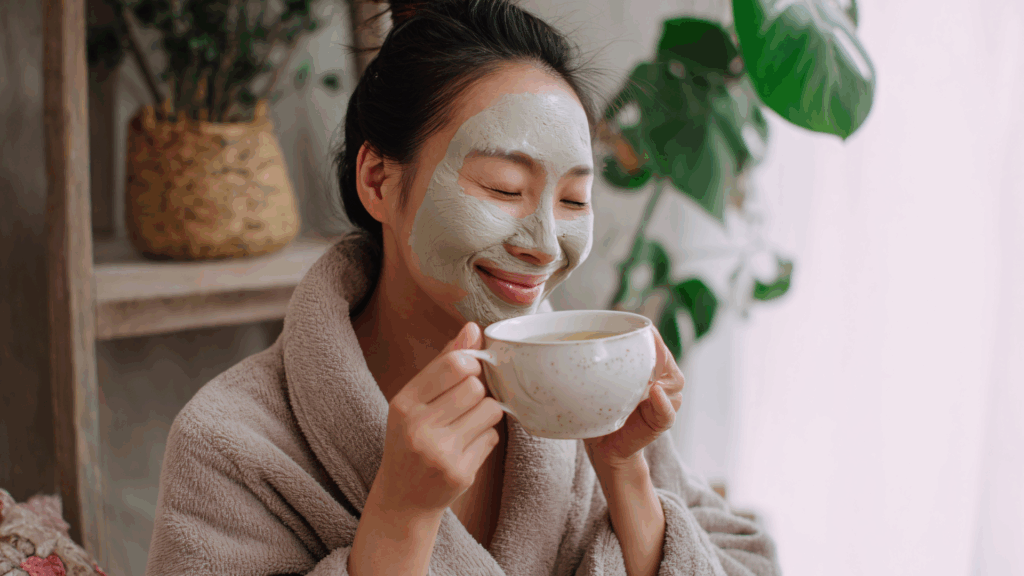

Rethinking Self-Care
Self-care has become a buzzword, often associated with bubble baths or spa days. While those things can be lovely, true self-care goes much deeper. It’s about the ongoing choices you make every day to support your body, mind, and emotions — and it’s different for everyone.
At its core, self-care is about listening to what your body is asking for and responding with compassion. For some, that might mean slowing down and resting. For others, it could be movement, connection, or creating space for reflection.
Why a Framework Helps
Without structure, self-care can easily fall to the bottom of the list. That’s why I encourage clients to create a personal self-care framework — a simple, flexible plan that weaves nurturing habits into daily life.
A framework isn’t about adding more to your to-do list. Instead, it helps you define:
- What truly restores you,
- What boundaries you need to protect your energy, and
- Which small daily actions make you feel grounded.
This approach turns self-care from an occasional treat into a sustainable practice that becomes part of who you are.
The Four Pillars of Holistic Self-Care
When building your framework, it can help to think of self-care as having four interconnected pillars:
- Physical Self-Care
- Nourishing your body with balanced meals, hydration, movement, and rest.
- Scheduling regular reflexology or other bodywork to support circulation, detoxification, and hormone balance.
- Listening to physical cues — fatigue, headaches, or tension — as signs your body needs attention.
- Emotional Self-Care
- Acknowledging and expressing feelings rather than pushing them aside.
- Journalling, creative outlets, or talking therapies can help process emotions.
- Reflexology provides a safe, calming space to release emotional tension stored in the body.
- Mental Self-Care
- Reducing overwhelm by setting realistic expectations and boundaries.
- Creating moments of quiet — digital breaks, meditation, or nature time.
- Using affirmations or gratitude practices to shift focus from stress to presence.
- Spiritual Self-Care
- Connecting to something larger than yourself — whether through nature, mindfulness, prayer, or stillness.
- Aligning daily actions with your personal values and purpose.
These pillars overlap naturally, supporting overall harmony. For example, regular reflexology may enhance both physical and emotional wellbeing by calming the nervous system and helping you reconnect with your inner self.
Reflexology as a Cornerstone of Self-Care
Reflexology offers more than physical relaxation — it’s a moment of stillness, grounding, and reconnection. During a series of treatments, I create a space for clients to pause and tune in, allowing their body to move from doing into being.
Each treatment is tailored to your needs at that moment. For some, the focus may be releasing tension and improving sleep; for others, supporting hormonal balance or emotional resilience. Over time, this rhythm of regular sessions helps you stay in tune with your body and notice subtle signs of imbalance before they grow into symptoms.
Physiologically, reflexology supports the parasympathetic nervous system — the body’s rest and repair mode. This activation slows heart rate, deepens breathing, and lowers cortisol levels. Emotionally, it helps create space for self-awareness, nurturing the mind-body connection that lies at the heart of true self-care.
Creating Your Self-Care Framework: Step by Step
Step 1: Reflect on What You Need
Take a quiet moment to ask: What does my body need right now? What does my mind need? What helps me feel balanced? Write down your answers — they form the basis of your framework.
Step 2: Choose Core Practices
Select 3–5 small, meaningful actions that fit your lifestyle. Examples might include:
- Morning breathing exercises,
- A weekly reflexology session or self-reflexology foot massage,
- A lunchtime walk in nature,
- Screen-free evenings, or
- A relaxing herbal tea ritual before bed.
Step 3: Create Space in Your Week
Book these activities into your calendar as non-negotiable appointments with yourself. Even five minutes a day can make a difference.
Step 4: Review and Adjust
Your needs will change with seasons, stress levels, and life stages. Revisit your framework regularly to ensure it still feels nurturing, not demanding.
Self-Care for Hormonal Balance
Many women find their energy, mood, and focus fluctuate with their hormonal cycle. Learning to work with these rhythms rather than against them can transform self-care.
For example:
- During the follicular phase, energy tends to rise — it’s a great time for creativity or new projects.
- The luteal phase invites rest, reflection, and grounding practices like reflexology.
- Around menstruation, self-care may mean slowing down and prioritising rest.
Understanding and honouring these rhythms allows your self-care framework to align with your natural cycles, deepening balance and harmony.
Final Thoughts
True self-care is not indulgence — it’s a form of respect for yourself. Designing a framework helps you move from reacting to life’s demands to responding with awareness and balance.
Reflexology can be a central part of that framework, offering a dedicated space to reset and reconnect. Over time, this combination of structure, presence, and gentle self-discipline becomes the foundation for a life that feels calmer, healthier, and more aligned.